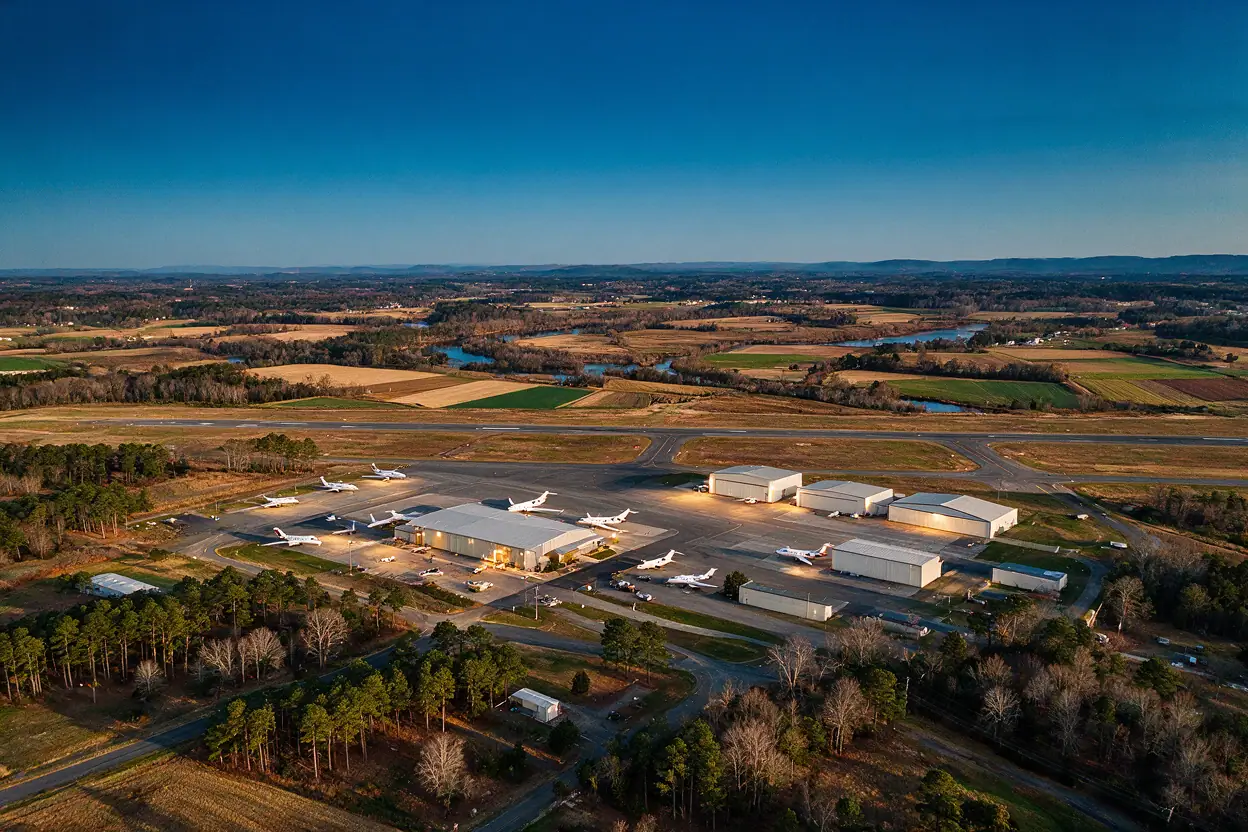
Private Flight King County Boeing Field
A private flight King County Boeing Field puts you at KBFI, 21 feet above sea level. The airport's 10,007-foot runway handles turboprops through heavy jets. Four FBOs line the field for arrivals and departures.
- KBFI · BFIairfield codes
- 21 ftfield height
- 10,007 ftlongest strip
- 0 mitoward New York
A private flight King County Boeing Field means KBFI, the IATA code BFI, a general aviation and commercial airport on the Duwamish River just south of downtown Seattle. The 10,007-foot runway at 21 feet elevation handles turboprops through heavy jets without the elevation penalty found at mountain airports. The field sits close to Seattle's business core, the Port of Seattle, and the region's aerospace employers, so it attracts a mix of corporate travel, tech-company charters and leisure trips to the Pacific Northwest. Because it is a towered airport with airline service, arrivals follow standard terminal procedures rather than the informal strip operations common at smaller fields.
Runway length is the first filter when comparing aircraft for BFI, and 10,007 feet is generous. Light jets, midsize jets, super-midsize and heavy jets all have room, and turboprops are well within limits. The practical limits at Boeing Field come from noise and curfew considerations and from ramp space at the four FBOs, not from runway distance. On a hot July afternoon the density altitude reaches about 1,200 feet, which is mild for a field this close to sea level. If you are moving a group of eight or more, then a super-midsize or heavy jet gives the cabin space without needing a longer runway than BFI provides.
Charter quotes into King County Boeing Field reflect the airport, the aircraft and the season rather than a single flat rate. A turboprop for a short hop within Washington or Oregon typically prices below a light jet, while a transcontinental heavy jet costs more because of fuel, crew time and positioning. Summer is the busiest stretch, with July highs near 77 F and only a handful of wet days. Winter flips that, with December averaging 19 wet days and highs near 45 F. If your trip falls in the wet months, then build a little slack into ground transportation and departure timing, because low ceilings can slow arrivals. Treat every figure you see as an estimate until a quote is confirmed for your dates.
Runways at Boeing Field
KBFI's longest runway measures 10,007 feet, and the field elevation is 21 feet, so nearly every charter aircraft type can operate here with margin. The main runway at BFI supports turboprops, light jets and heavy jets alike, which means aircraft choice is driven by cabin size, range and price rather than runway performance. Density altitude in the warmest month peaks around 1,800 feet, still far below the point where runway length becomes the deciding factor. If you are comparing a light jet against a turboprop for a Seattle-area trip, then the runway is not the constraint, and the decision comes down to speed, baggage and cabin comfort. Pilots flying in should review the airport diagram and current notices, since taxi routes and closures change.
| Runway | Length | Width | Pavement |
|---|---|---|---|
| 14R/32L | 10,007 ft | 200 ft | Asphalt |
| 14L/32R | 3,709 ft | 100 ft | Asphalt |
Access and ground connections
Boeing Field sits just south of downtown Seattle, close to Interstate 5 and the Duwamish corridor. Ground access from BFI to downtown Seattle is short by car, and the airport is separate from Sea-Tac, so confirm which field your driver is meeting. If you are heading to the Eastside tech corridor, then allow for bridge traffic, which can slow a midday transfer. Rental cars and rideshare pickups are arranged through the FBO you use. If your itinerary includes a commercial connection, then build in the drive to Sea-Tac rather than assuming the two airports share a terminal.
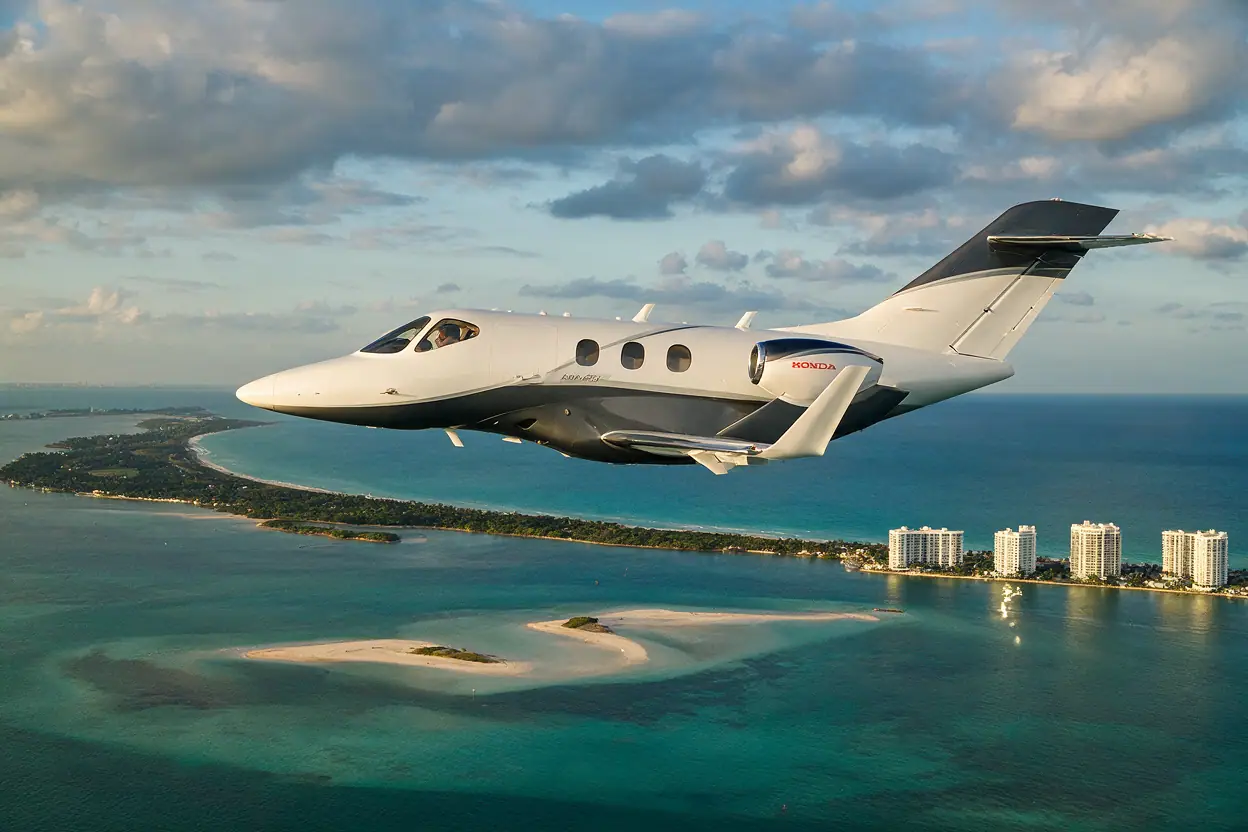
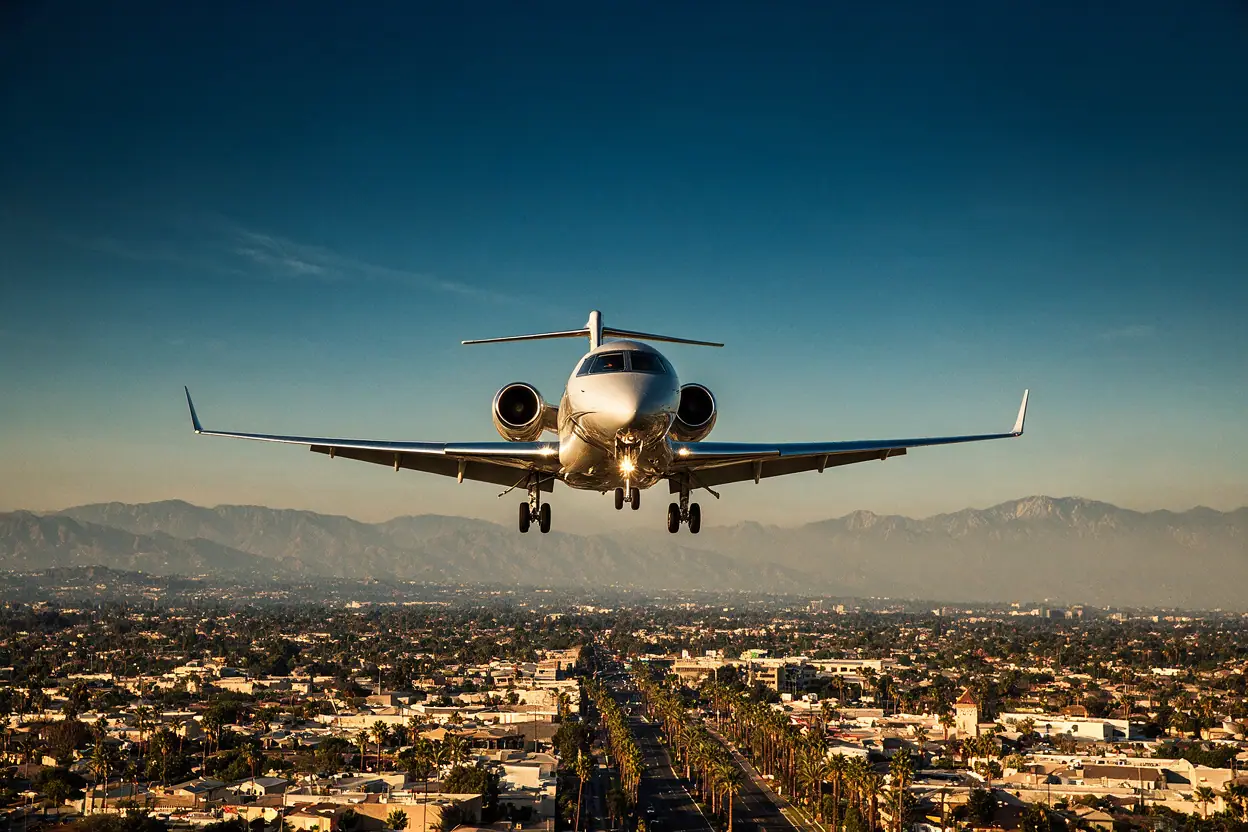
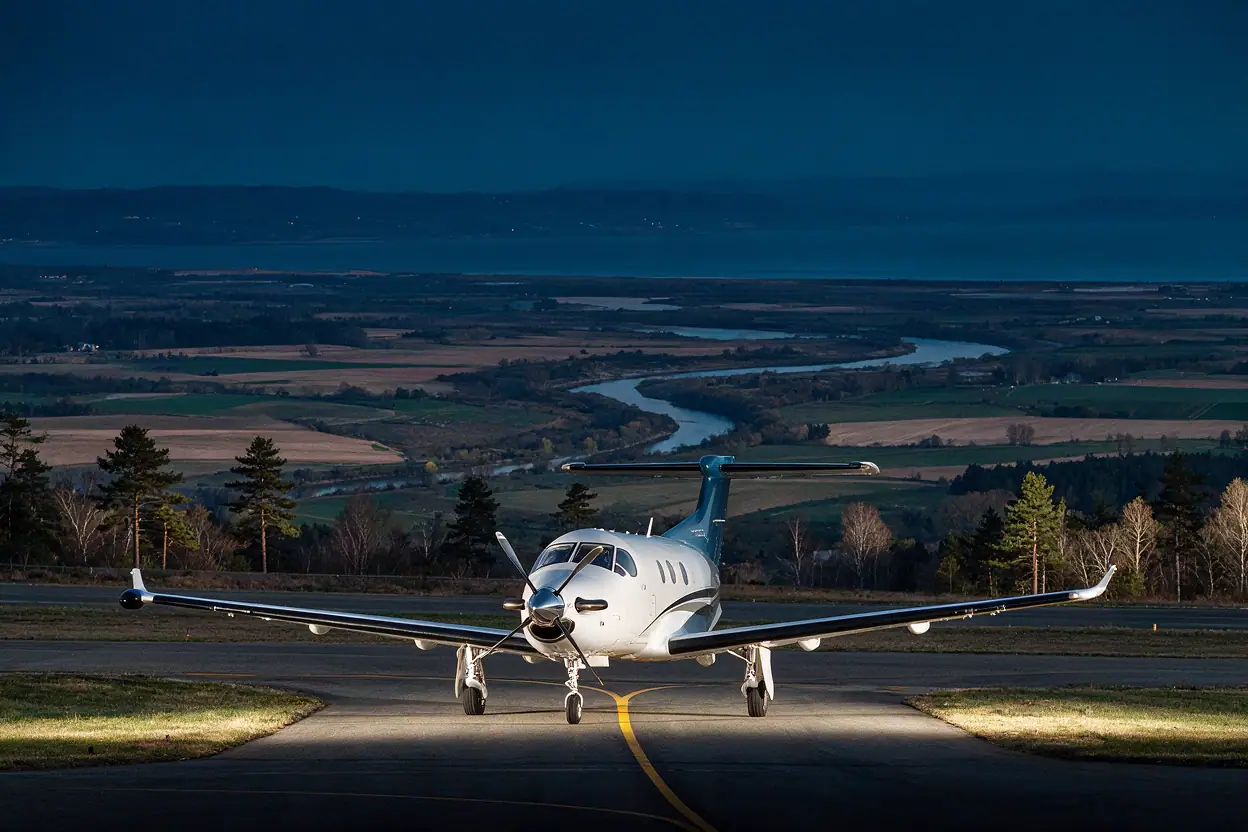
Private jet routes via King - Boeing
These 6 private jet routes span 199 to 2,129 nautical miles, and one-way light jet estimates run from $4,000 to $36,000.
FBOs and ground handling
Four FBOs serve King County Boeing Field: Modern Aviation, Signature Aviation, Skyservice Seattle and Vesper Aviation. Each FBO at BFI offers its own ramp access, lobby and ground services, so your charter quote should specify which one your flight will use. Ground handling, fuel and after-hours fees vary by location, and those costs can shift the final estimate. If your schedule lands outside normal business hours, then confirm the FBO's operating window before you lock the trip, because not every location runs the same hours.
For international arrivals, CBP processing is arranged in advance through the FBO, so paperwork should be settled before departure day. If you are connecting to a commercial flight at Sea-Tac, then allow time for the drive between the two airports, since they are separate fields with separate terminals. Ask which FBO your operator uses and whether any handling fees are already included in the estimate.
Best for
- Corporate travel to downtown Seattle and the Port of Seattle, with a short drive from the FBO to the business core.
- Tech and aerospace company charters, given the airport's proximity to the region's engineering employers.
- Groups of eight or more flying in super-midsize or heavy jets, since the runway removes any performance constraint.
- Leisure trips to the Pacific Northwest in summer, when July averages only 3 wet days and density altitude peaks near 1,200 feet.
| Cabin size | Runway requirement | Local |
|---|---|---|
| Turboprop | 3,300 ft+ | No limits |
| Light jet | 4,000 ft+ | No limits |
| Midsize jet | 5,000 ft+ | No limits |
| Super-midsize jet | 5,200 ft+ | No limits |
| Heavy jet | 5,600 ft+ | No limits |
Weather and density altitude by season
Density altitude at Boeing Field stays modest year-round because the field sits 21 feet above sea level. July and August bring the highest density altitude at BFI, about 1,200 feet, with average highs near 77 F. The annual peak used for planning is roughly 1,800 feet, based on the hottest month's average high plus 8 F. Winter runs the other direction, with January and February density altitude near -800 feet and highs around 47 F.
Moisture matters more than heat here. December averages 19 wet days at King County Boeing Field, and November and January are close behind. If you are flying in winter, then plan for low ceilings and possible delays on arrival and departure. Summer is dry by comparison, with July averaging just 3 wet days. If your trip is in July or August, then expect the busiest ramp and book earlier to secure the aircraft and FBO slot you want.
| Period | Mean high | Days with rain | Density altitude |
|---|---|---|---|
| Jan | 47°F | 17 | -800 ft |
| Feb | 47°F | 17 | -800 ft |
| Mar | 52°F | 15 | -400 ft |
| Apr | 57°F | 15 | -100 ft |
| May | 64°F | 10 | 400 ft |
| Jun | 70°F | 9 | 800 ft |
| Jul | 77°F | 3 | 1,200 ft |
| Aug | 77°F | 5 | 1,200 ft |
| Sep | 69°F | 11 | 700 ft |
| Oct | 60°F | 15 | 100 ft |
| Nov | 50°F | 18 | -600 ft |
| Dec | 45°F | 19 | -900 ft |
FAQs on this airfield
What runway length does a private flight King County Boeing Field use?
The longest runway at KBFI is 10,007 feet, with a field elevation of 21 feet. That length supports turboprops, light jets, midsize jets, super-midsize and heavy jets. For most charter aircraft, runway distance is not the limiting factor at Boeing Field. Aircraft choice usually comes down to cabin size, range and price rather than performance. Pilots should still check current notices and the airport diagram before arrival.
Which FBOs are available at Boeing Field?
Four FBOs operate at King County Boeing Field: Modern Aviation, Signature Aviation, Skyservice Seattle and Vesper Aviation. Each has its own ramp, lobby and ground services, and fees can differ. Your charter quote should name the FBO your flight will use so handling costs are clear. If you arrive outside normal hours, then confirm the FBO's operating window in advance.
How hot does it get at BFI in summer?
July and August average highs near 77 F, with density altitude around 1,200 feet. The annual peak used for planning is about 1,800 feet, based on the hottest month's average high plus 8 F. Those figures are mild for a field at 21 feet elevation. July also averages only 3 wet days, so summer is the driest stretch. If you are flying in peak summer, then book earlier to secure ramp space.
What is winter weather like at King County Boeing Field?
December averages 19 wet days with highs near 45 F, and January and February see highs around 47 F with density altitude near -800 feet. November is also wet, averaging 18 wet days. Low ceilings can slow arrivals and departures, so build slack into ground plans. If your trip falls in the wet months, then confirm instrument approach options with your operator and allow extra time.
Can I fly internationally from Boeing Field?
Yes, international departures and arrivals can be arranged at KBFI through the FBOs, with CBP processing coordinated in advance. Four FBOs serve the field, and each handles customs differently, so confirm the arrangement when you book. If your itinerary crosses a border, then settle paperwork before departure day. Allow extra time on arrival for clearance, and verify which FBO your flight will use.
How does Boeing Field compare with Sea-Tac for private flights?
Boeing Field is a separate airport from Sea-Tac, located closer to downtown Seattle and sized for general aviation and charter traffic. KBFI has a 10,007-foot runway and four FBOs, while Sea-Tac is the region's commercial hub. If your trip includes a commercial connection, then plan the drive between the two fields rather than assuming a shared terminal. Confirm which airport your operator uses before booking ground transport.