
Private Plane Charter Dallas Love Field
Dallas Love Field sits 487 feet above sea level with an 8,800-foot runway. A private plane charter Dallas Love Field trip in July, though, works from roughly 3,000 feet of density altitude. That gap shapes which aircraft make sense and what your quote looks like.
- KDAL · DALairfield codes
- 487 ftfield height
- 8,800 ftlongest strip
- 0 mitoward New York
Dallas Love Field is a close-in airport, which is why a good share of private plane charter Dallas Love Field inquiries come from people who want to be at a downtown meeting shortly after landing. The field sits a few miles northwest of the central business district, so the drive is short compared with the outer relievers. For a charter broker, the practical question is not whether the field is convenient; it is which aircraft fits the runway, the ramp and the mission on the day you fly.
The 8,800-foot runway clears every light and midsize jet in a typical charter fleet, plus most large-cabin aircraft at normal takeoff weights. Field elevation is only 487 feet, so cool-morning departures are rarely runway-limited. Summer changes the math. When you are comparing a turboprop against a light jet for a short hop, then the runway margin matters less than cruise speed and cabin size, and the jet usually wins on time.
Love Field slots and ground handling push some itineraries toward alternate airports, and a broker who works the field regularly will say so before you book. Peak travel periods, including the weeks around major Dallas events, tighten ramp space. Requesting the aircraft, the FBO and the departure window together gives you a more accurate estimate than pricing the flight alone. Prices you see from any broker are estimates until the operator confirms the specific tail and crew.
Runways and field performance at DAL
Dallas Love Field has an 8,800-foot main runway and a field elevation of 487 feet, which covers every turboprop and light jet used in charter work and most midsize and large-cabin types at typical loads. A light jet and a midsize jet both operate comfortably from the 8,800-foot runway at DAL in cooler months, so aircraft choice on short regional legs usually comes down to cabin and baggage, not runway length. When summer heat pushes density altitude toward 3,000 feet in July, then a heavy large-cabin departure on a long leg can need a payload or fuel tradeoff that the operator will flag at booking.
| Runway | Length | Width | Pavement |
|---|---|---|---|
| 13R/31L | 8,800 ft | 150 ft | Concrete |
| 13L/31R | 7,752 ft | 150 ft | Concrete |
Access and where the airport sits
Dallas Love Field is a close-in field a few miles northwest of downtown Dallas, reached quickly from the central business district, Uptown and the Design District, and the airport sits near the Dallas North Tollway and Interstate 35E. Ground time from the FBO to a downtown Dallas meeting is short compared with the outer relievers, which is a large part of the appeal for business travelers. When your trip starts or ends at a commercial terminal instead of an FBO, then allow extra time for TSA screening and baggage.
Private jet routes via Dallas Love
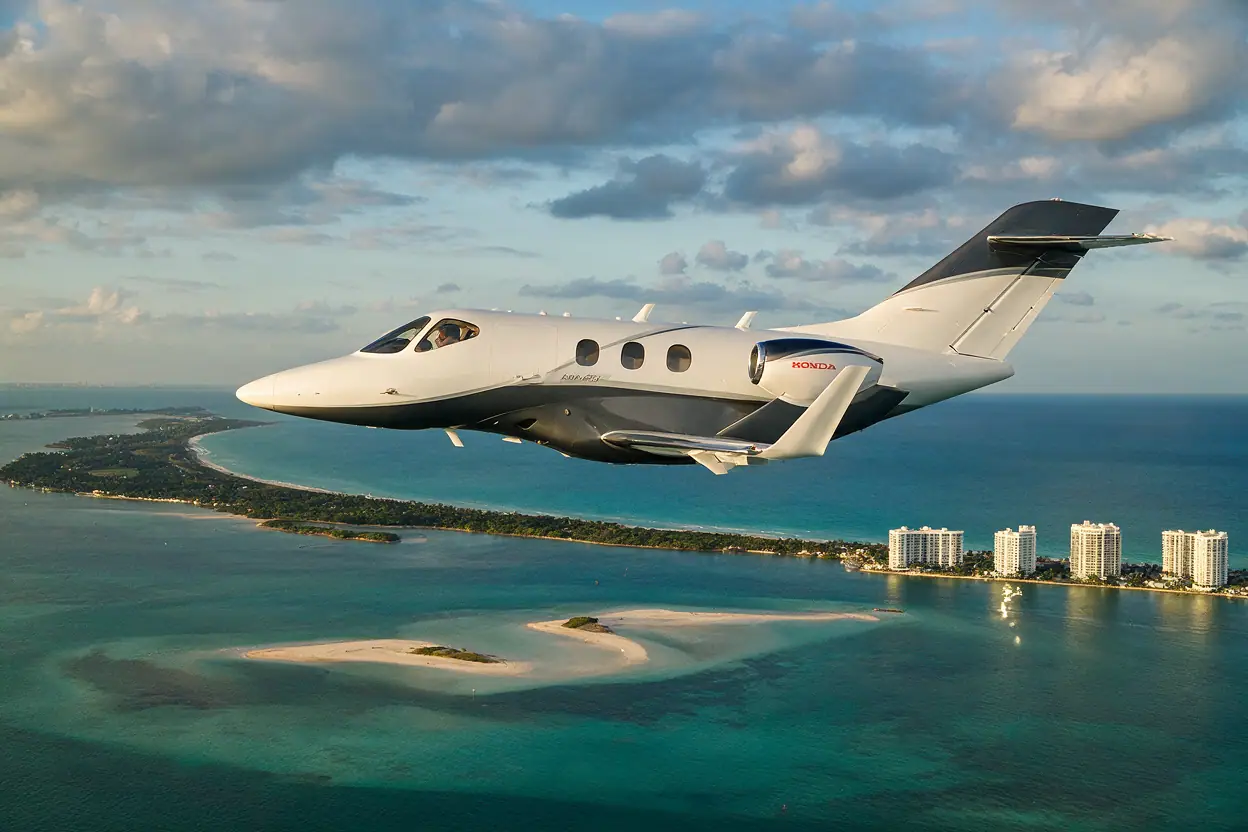
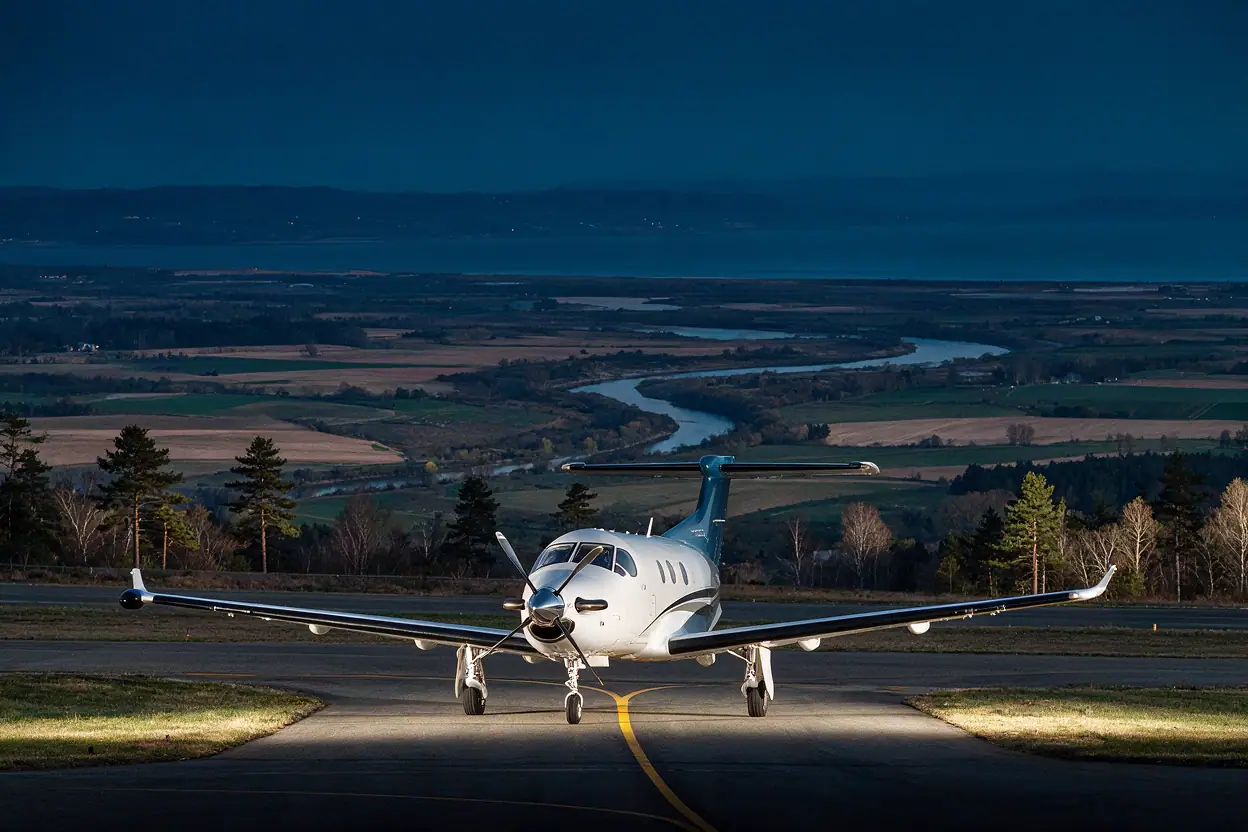
These 6 private jet routes span 199 to 2,129 nautical miles, and one-way light jet estimates run from $4,000 to $36,000.


FBOs and ground services
Four FBOs serve general aviation at Dallas Love Field: Atlantic Aviation, Jet Aviation, Signature Aviation (Terminal 1 at A2) and Jet Access Dallas. Which FBO your charter uses depends on the aircraft and the operator, not on your preference alone, so ask the broker to confirm the handling location with the quote. If your itinerary includes an international leg, then plan for U.S. Customs and Border Protection clearance and build the extra ground time into the schedule. Passengers connecting through a commercial terminal at Love Field should expect TSA screening there; charter passengers at the FBO do not go through it.
Best for
- Downtown Dallas meetings where a short drive from the FBO matters more than ramp space
- Short regional legs to Houston, Austin and San Antonio in turboprops and light jets
- Summer departures where a light jet handles the density altitude easily
- Large-cabin long-haul trips scheduled in the cooler morning hours of winter and early spring
| Cabin size | Runway requirement | Local |
|---|---|---|
| Turboprop | 3,300 ft+ | No limits |
| Light jet | 4,000 ft+ | No limits |
| Midsize jet | 5,000 ft+ | No limits |
| Super-midsize jet | 5,200 ft+ | No limits |
| Heavy jet | 5,600 ft+ | No limits |
Weather and density altitude by season
Dallas Love Field peaks near 3,500 feet of density altitude in its hottest month, using the average high plus 8 F as the basis, and July itself runs about 3,000 feet. Those summer density altitudes at DAL favor turboprops and light jets on shorter legs, where the performance penalty is small and the cost saving is real. August tracks July closely at the same 3,000 feet, and the average high sits at 95 F in both months.
The wet-day pattern matters too. May is the wettest month at 14 wet days on average, so spring departures can face convective weather and routing changes. January and December average seven and eight wet days with highs near 56 and 60 F, and density altitude drops to about 400 and 700 feet, which is the easiest window for a heavy long-range departure. If you are flying a large-cabin jet nonstop to a distant coast, then an early-morning summer slot keeps you furthest from the performance limit.
| Period | Mean high | Days with rain | Density altitude |
|---|---|---|---|
| Jan | 56°F | 7 | 400 ft |
| Feb | 60°F | 9 | 700 ft |
| Mar | 69°F | 10 | 1,300 ft |
| Apr | 75°F | 11 | 1,700 ft |
| May | 83°F | 14 | 2,200 ft |
| Jun | 90°F | 11 | 2,700 ft |
| Jul | 95°F | 8 | 3,000 ft |
| Aug | 95°F | 9 | 3,000 ft |
| Sep | 89°F | 8 | 2,600 ft |
| Oct | 79°F | 7 | 1,900 ft |
| Nov | 67°F | 8 | 1,100 ft |
| Dec | 60°F | 8 | 700 ft |
FAQs on this airfield
What does private plane charter Dallas Love Field cost?
There is no single published rate, because the estimate depends on aircraft category, distance, crew time and ramp fees at the field. A light jet on a short regional leg prices far below a large-cabin aircraft on a transcontinental trip. Treat every figure a broker sends as an estimate until the operator confirms the specific tail and crew for your dates and departure window.
Can a large-cabin jet use DAL in summer?
Usually yes, with planning. The 8,800-foot runway and the 487-foot field elevation give large aircraft room, but July density altitude near 3,000 feet and August at the same level can limit a heavy long-range departure. The operator may adjust fuel or payload, or move the departure to an early-morning slot, to stay within performance limits.
Which FBOs handle charter flights at Love Field?
Four: Atlantic Aviation, Jet Aviation, Signature Aviation (Terminal 1 at A2) and Jet Access Dallas. The handling location is set by the aircraft and the operator rather than by passenger preference, so ask the broker to confirm the FBO with your quote. Confirm it again closer to departure in case the tail changes.
How much does summer heat affect departures from DAL?
The peak density altitude is about 3,500 feet, based on the hottest month's average high plus 8 F, and July runs near 3,000 feet. Turboprops and light jets absorb that penalty easily on short legs. Midsize and large-cabin aircraft on long legs feel it more, especially at maximum takeoff weight, so morning departures in June through September are worth requesting.
Is Love Field a good choice for a short hop to Houston?
Often yes. The close-in location shortens your ground time on both ends, and the 8,800-foot runway is far more than a light jet or turboprop needs for a leg of that length. If your schedule is tight on the return, then ask the broker to price the return leg from William P. Hobby Airport alongside a Love Field round trip.
When should I request a quote for a Dallas charter?
Earlier is better around peak periods, when Love Field ramp space tightens and aircraft availability narrows. For a July or August departure, request pricing as soon as your dates are firm, and include the tail if you already know it, so the estimate reflects the actual aircraft. Off-peak dates are easier to place on short notice.